Publication Date
2025
Document Type
Book
Description
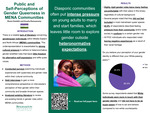
Despite increased acceptance and legal recognition of queer identities in Western societies within the past 25 years, there remain stark differences in representation of LGBTQ+ voices between white and nonwhite communities. Particularly within Middle Eastern and North African (MENA) communities, this underrepresentation is exacerbated by societal pressures to adhere to strict heteronormative, gender-stratified roles, with little room for deviation from the norm. This paper examines the experiences of genderqueer individuals with MENA heritage at Binghamton University, exploring how they fit into their cultural definitions of gender and how this differs from the broader gender expectations of a majority-white campus. Research attained through surveys and interviews indicates that individuals across the gender spectrum have difficulty deviating from pervasive gender roles, particularly in collectivist cultures wherein familial influence colors all aspects of one's self-presentation. Understanding and resisting these constructions is essential to dismantling them and building ones with more freedom of expression.
Files
Download Full Text (272 KB)
Recommended Citation
Hamblin, Shane and Ramaswamy, Arusha, "Public and Self-Perceptions of Gender Queerness in Middle Eastern and North African Communities" (2025). Research Days Posters 2025. 65.
https://orb.binghamton.edu/research_days_posters_2025/65